
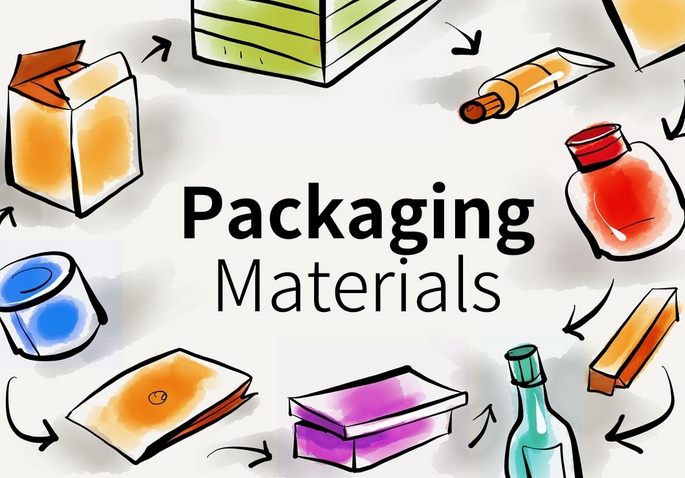
Packing materials are essential for protecting, presenting, and transporting goods. Whether it’s a luxury gift, an industrial product, or a fresh bouquet of flowers, the right packing material ensures safety, enhances visual appeal, and supports branding. With a wide range of materials available, understanding the basics can help businesses and consumers choose the most suitable option.
Main Types of Packing Materials
1. Ribbon
Ribbon is widely used for decoration, gift wrapping, and branding.
Common types include:
-
Double Faced Satin Ribbon – Smooth and glossy on both sides, perfect for premium packaging.
-
Single Faced Satin Ribbon – Glossy on one side, more economical.
-
Grosgrain Ribbon – Characterized by fine ribbed texture, offering a firm and elegant look.
-
Organza Ribbon – Sheer and lightweight, ideal for floral and wedding packaging.
-
Metallic Ribbon – Woven with metallic threads for a shimmering effect.
2. Nonwoven Fabric
Nonwoven fabrics are versatile, lightweight, and customizable, often used in gift wraps, tote bags, and floral packaging.
Popular options include:
-
PP Spunbond Nonwoven – Strong, colorful, and cost-effective.
-
Printed Nonwoven Fabric – Adds patterns for decorative purposes.
-
Laminated Nonwoven – Waterproof and oil-resistant.
3. Paper
Paper is an eco-friendly option with excellent printability.
Common types include:
-
Kraft Paper – Durable and natural-looking, available in brown or white.
-
Specialty Paper – Pearl paper, metallic card paper, embossed paper.
-
Crepe Paper – Flexible and textured, often used in flower wrapping.
-
Cellophane Paper – Transparent and moisture-resistant.
4. Film and Plastic Sheet
Films provide waterproofing, durability, and clarity.
Examples include:
-
BOPP Film – Highly transparent, printable, and economical.
-
PET Film – Glossy and heat-resistant.
-
PVC Film – Thick, flexible, and water-resistant.
-
Holographic Film – Adds a rainbow-like reflective effect.
5. Accessories
Supporting elements that enhance presentation and usability:
-
Cotton or jute twine
-
Decorative mesh wrap
-
Pre-made bows
-
Labels and tags
Packing Material Comparison Table
| Material Type | Common Examples | Appearance & Texture | Protection Level | Cost Level | Eco-Friendliness |
|---|---|---|---|---|---|
| Ribbon | Double Faced Satin, Grosgrain, Organza | Smooth, glossy, or textured; decorative | Low | Medium | Reusable, long-lasting |
| Nonwoven Fabric | PP Spunbond, Printed Nonwoven, Laminated | Soft to firm; available in various colors | Medium | Low | Recyclable (PP/PLA) |
| Paper | Kraft, Specialty, Crepe, Cellophane | Natural, textured, or coated | Medium | Low–Medium | Highly recyclable |
| Film & Plastic Sheet | BOPP, PET, PVC, Holographic | Glossy, transparent, or patterned | High | Low–Medium | Varies (some recyclable) |
| Accessories | Twine, Mesh Wrap, Pre-made Bows, Labels | Decorative or functional | Low | Low | Depends on material |
Key Considerations When Choosing Packing Materials
When selecting packing materials, consider:
-
Product Protection – Does it prevent damage during transit?
-
Aesthetic Appeal – Does it match your branding and presentation goals?
-
Cost Efficiency – Is it within budget without compromising quality?
-
Environmental Impact – Is it recyclable, biodegradable, or reusable?
Sustainability Trends in Packing Materials
As eco-consciousness grows, businesses are shifting toward:
-
Biodegradable and compostable materials such as PLA nonwoven and recycled paper.
-
Reusable packaging like cloth bags and sturdy gift boxes.
-
Minimalist designs that reduce waste while maintaining elegance.
Conclusion
Packing materials are more than just a protective layer—they influence product perception, brand identity, and customer experience. By understanding the different types and their applications, businesses can make informed choices that balance functionality, aesthetics, and sustainability.